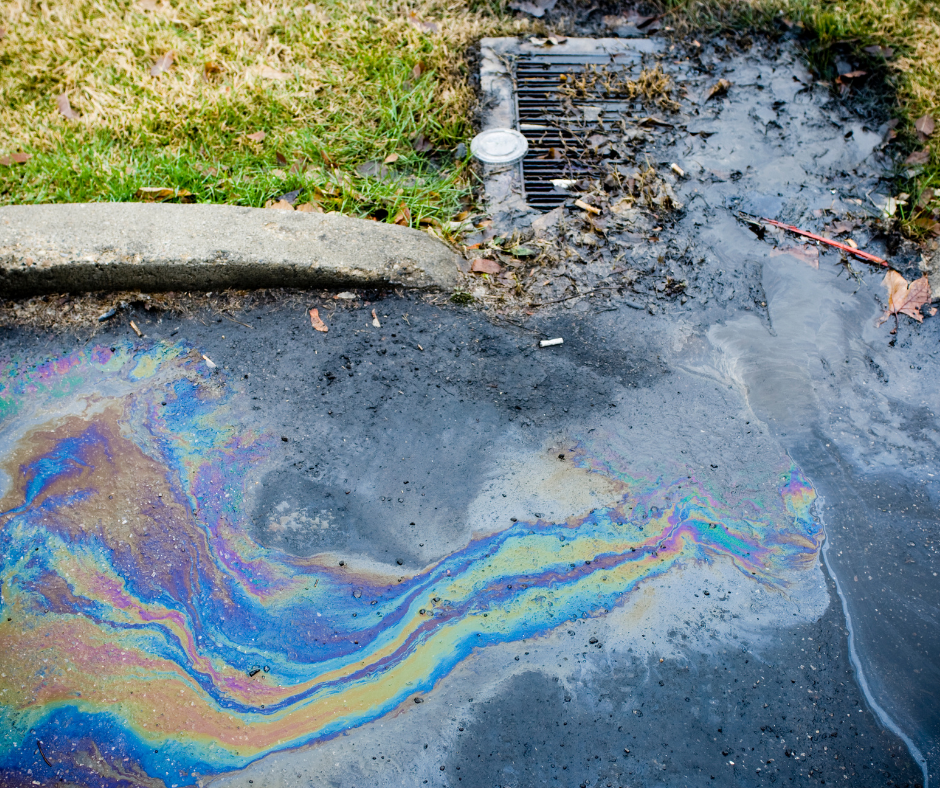
Saint Clair, MI, a picturesque community nestled along the St. Clair River, faces a range of environmental challenges. This article examines the key environmental concerns in Saint Clair, MI, including lawsuits, fines, and the impact of local industries and businesses on the environment.
Environmental Issues in Saint Clair, MI
The St. Clair River, a vital waterway for both the United States and Canada, has a long history of environmental problems 1. These include E. coli bacteria contamination leading to beach closures, industrial pollution from PCBs (polychlorinated biphenyls), and mercury contamination impacting fish consumption 1. Urbanization, industrialization, and agricultural practices have also significantly impacted the river. These activities have led to soil erosion, deforestation, and contamination from factories and golf courses 2. The river also suffers from increased sediment and the destruction of wildlife habitat 2.
The International Joint Commission (IJC) designated the St. Clair River as an Area of Concern (AOC) due to contamination from heavy metals, toxic organics, and E. coli bacteria 3. This contamination has resulted in tainted fish, fish consumption advisories, beach closures, and degradation of habitats for fish and wildlife 3. Specifically, the IJC identified ten Beneficial Use Impairments (BUIs) in the St. Clair River AOC 3:
- Restrictions on fish and wildlife consumption.
- Tainting of fish and wildlife flavor – Removed November 2009.
- Restrictions on drinking water consumption, or taste and odor.
- Beach closings – Removed May 2016.
- Degradation of aesthetics – Removed July 2012.
- Bird or animal deformities or reproduction problems – Removed 2017.
- Added costs to agriculture or industry – Removed June 2012.
- Degradation of benthos – Removed November 2014.
- Restriction on dredging activities – Removed March 2011.
- Loss of fish and wildlife habitat – Removed September 2017.
Despite these challenges, significant progress has been made in restoring the river’s health. Public perception of the river has improved over the years, with more people using the trails along its waterfront in once inaccessible areas 2. Recreational fishing is also growing with the softening of the river’s shoreline, which promotes fish spawning 2. In 2021, a drinking water survey showed that 67% of the participants rated their drinking water four out of five in quality 2.
Efforts to improve the river’s health include ongoing monitoring of fish contaminants, improved spill prevention, better water quality monitoring, maintenance of restored habitats, and strengthening an early spill warning system with new state funding 2. Canada is also capping the remaining small spots of sediment contamination 2. This progress represents a vast improvement from the past when economic development was often prioritized over a clean, healthy river 2. The watershed is now a focal point for preservation and conservation 2.
Several organizations contribute to these efforts. The Friends of the St. Clair River, along with the U.S. Fish and Wildlife Service, educate the public about lake sturgeon 2. The Southeast Michigan Council of Governments (SEMCOG) monitors spills at the drinking water intake sites 2.
Habitat restoration projects have played a crucial role in improving the river’s condition. These projects include installing three fish spawning reefs, anchoring trees to the streambank, removing 2,200 feet of failing steel seawall, and reconnecting the river’s floodplain and wetlands 3. One notable project involved dredging 35,000 cubic yards from three miles of the Krispin Blueway, reshaping the drain to allow for increased waterflow and provide habitat for turtle, bird, fish, and insect populations 3. Shoreline restoration projects involved the creation of in-river breakwaters and the placement of riparian cobble substrate and woody structures 3. Invasive species were treated and removed from shoreline and nearshore areas, and native trees, shrubs, and wildflowers were planted 3.
The St. Clair Region Conservation Authority also played a significant role in shoreline restoration with the Guthrie Park Shore Protection Project, a $2.5-million Canadian initiative completed in 2011 1. This project aimed to prevent shoreline loss and provide habitat for fish and aquatic wildlife 1.
While the St. Clair River as a whole faces significant challenges, specific areas within Saint Clair, MI, experience unique environmental concerns. Residents of Murphy Drive in St. Clair Township have reported exposure to chemical releases, oil spills, poor air quality, and harmful odors from nearby crude oil and natural gas facilities 4. These exposures have led to health issues among residents and animals, including chronic nosebleeds, headaches, respiratory problems, and concerns of chemical poisoning 4.
Environmental Advocacy Groups and Organizations
| Organization Name | Focus Area | Activities |
|---|---|---|
| Friends of the St. Clair River | Protecting and restoring the St. Clair River and its watershed | Community education, environmental monitoring, hands-on stewardship, advocacy 5 |
| St. Clair Shores Waterfront Environmental Committee | Conservation and protection of Lake St. Clair | Storm drain stenciling, fishing line recycling, scholarships, Nautical Coast Clean Up 6 |
| St. Clair County Earth Fair | Environmental education and awareness | Annual Earth Fair event, spring tree sale, promoting the painted trillium 7 |
Lawsuits and Fines Related to Environmental Violations
Several lawsuits highlight the environmental challenges faced by Saint Clair, MI. In 2016, residents of Murphy Drive filed a lawsuit against Enbridge, Sunoco, and Great Lakes Petroleum, alleging environmental injustices and seeking to hold polluters accountable 4. This lawsuit highlights the ongoing struggle for environmental justice in the face of industrial pollution.
Another legal concern arises from the Smiths Creek Landfill, where the county’s practice of spraying septic tank waste into layers of garbage has resulted in excessive gas production and noxious odors 8. Residents have complained of health issues caused by the landfill gas, including nausea, burning eyes, and stinging nostrils 9. A lawsuit against the county may be filed soon 9. Dubin Law, PLLC, a firm specializing in environmental contamination cases, is investigating these odors and their impact on residents 8.
In 2020, Michigan Attorney General Dana Nessel filed a lawsuit against 17 PFAS manufacturers, including Asahi Kasei Plastics North America, Inc., to address PFAS contamination 10. This landmark settlement requires Asahi to investigate and address PFAS releases at its former facility near Brighton, Michigan 10. This was the first settlement in a series of six PFAS cases filed under a state-approved contract with Special Assistant Attorneys General 10.
Environmental Regulations and Standards
While specific information on local environmental regulations and standards in Saint Clair, MI, is limited, several frameworks govern environmental protection in the area. The Federal Clean Water Act of 1972 encompasses wetland regulation 11. In Michigan, Part 303 of the Natural Resources and Environmental Protection Act, 1994 PA 451, regulates and oversees wetlands 11. There are also local ordinances and regulations that impact the construction project’s regulation of wetlands, which you should be aware of 11. Additionally, local ordinances and regulations may impose more extensive protections for wetlands depending on the locality 11.
Local ordinances in the City of St. Clair address various environmental concerns, including fire prevention, firearms, and property maintenance 12. These ordinances aim to protect public safety and the environment.
Specific State Regulations
State regulations applicable to Saint Clair, MI, include restrictions on various activities within State wildlife and game areas 13. These regulations prohibit:
- Entering areas posted against entry.
- Moving, removing, or defacing signs.
- Posting signs or marking natural resources.
- Using or igniting fireworks.
- Setting fires or burning trash.
- Littering.
- Disposing of animal carcasses.
- Possessing alcoholic beverages, except in designated areas.
- Possessing glass containers in designated recreational areas.
- Excessive noise.
- Disorderly conduct.
- Commercial operations without a permit.
- Begging, peddling, or soliciting.
- Removing excessive amounts of natural resources (rocks, minerals, sand, etc.).
Zoning and Land Use Regulations
St. Clair Township has specific zoning ordinances and regulations that influence land use and environmental protection 14. The township is divided into various zoning districts, each with its own permitted uses and regulations. These districts include:
- Rural District
- Suburban Residential District-One (low density)
- Suburban Residential District-Two (medium density)
- Multiple-Family Residential District
- Mobile Home District
- Planned Unit Development District
- Commercial Recreation District
These regulations aim to manage land use, ensure environmental performance, and promote sustainable development within the township.
Environmental Impact of Local Industries and Businesses
Local industries and businesses have a significant impact on the environment in Saint Clair, MI. The petrochemical industry, with its concentration of hazardous facilities in St. Clair Township, poses risks to air and water quality 4. Residents have reported chemical releases, oil spills, and methane-contaminated water 4. The concentration of industrial facilities in St. Clair Township raises significant concerns about the potential impact on public health, as residents have reported various health issues linked to chemical exposure and poor air quality 4.
One area of concern is Chemical Valley, one of the largest petrochemical industry sites in North America, located across the St. Clair River in Sarnia, Ontario 15. This complex houses facilities from major companies like Sunoco, Shell, DuPont, Imperial Oil, NOVA Chemicals, Suncor Energy, and Enbridge 15. While the industry claims to have improved its manufacturing processes, concerns remain about the release of pollutants like benzene, a toxic solvent linked to various cancers 15.
Furthermore, the presence of 14 Michigan water intakes downstream from Chemical Valley raises concerns about the potential contamination of drinking water for 3.5 million people in the region 15. The strong current of the St. Clair River means that a significant spill of hazardous materials in Sarnia could reach these intakes rapidly 15.
Adding to these concerns, the St. Clair River contains approximately 40 pipelines carrying oil, natural gas, and hazardous materials, including Enbridge’s Line 5 and Line 6B 15. Some of these pipelines are over 100 years old, raising concerns about their integrity and the potential for spills 15.
The agricultural sector also contributes to environmental concerns, with farming practices leading to soil erosion and chemical runoff into the St. Clair River 2. Landfills, such as the Smiths Creek Landfill, generate harmful gases and odors that affect nearby communities 9.
Dow Chemical, a major industry player in the region, has made efforts to clean up contaminated sediment in the St. Clair River 1. However, challenges remain, particularly with the presence of hotspots like the Shell Canada fuel dock, where sediment contaminated with PCBs and mercury persists 1.
Conclusion
Saint Clair, MI, faces a complex array of environmental challenges, including industrial pollution, habitat degradation, landfill gas emissions, PFAS contamination, and aging infrastructure. These challenges are interconnected, with industrial activities potentially impacting water quality, public health, and the overall well-being of the community.
Balancing economic development with environmental protection is a key challenge for Saint Clair, MI. While industrial activities provide jobs and economic benefits, they also pose significant risks to the environment and public health. Finding sustainable solutions that prioritize both economic growth and environmental stewardship is essential.
The St. Clair River’s environmental challenges require a binational approach, as pollution and habitat degradation affect both the United States and Canada. Collaborative efforts between the two countries are essential to ensure the long-term health of this vital waterway.
Addressing these concerns requires continued action and collaboration among various stakeholders, including government agencies, industries, environmental organizations, and residents. The active involvement of residents and environmental organizations is crucial in holding industries accountable and advocating for stricter environmental regulations to protect the health of the community and the St. Clair River.
Despite the challenges, the community has demonstrated a commitment to environmental protection through various initiatives and the active involvement of advocacy groups. By working together and prioritizing environmental stewardship, Saint Clair, MI, can strive towards a cleaner, healthier, and more sustainable future for all.
Works cited
1. U.S., Canada battle St. Clair River’s polluted legacy | Great Lakes Echo, accessed January 27, 2025, https://greatlakesecho.org/2016/11/21/u-s-canada-battle-st-clair-rivers-polluted-legacy/
2. Health of the St. Clair River: Conversation with Sheri Faust – Second Wave Media, accessed January 27, 2025, https://www.secondwavemedia.com/the-keel/features/St-Clair-River-Sheri.aspx
3. St. Clair River AOC | US EPA – Environmental Protection Agency (EPA), accessed January 27, 2025, https://www.epa.gov/great-lakes-aocs/st-clair-river-aoc
4. SEAS master’s project tackles environmental injustice in St. Clair Township, Michigan, accessed January 27, 2025, https://seas.umich.edu/news/seas-masters-project-tackles-environmental-injustice-st-clair-township-michigan
5. Friends of the St. Clair River – Michigan Water Stewardship Program, accessed January 27, 2025, https://miwaterstewardship.org/resource/friends-of-the-st-clair-river/
6. St. Clair Shores Waterfront Environmental Committee, accessed January 27, 2025, http://www.scswec.org/
7. About Us – St. Clair County Earth Fair, accessed January 27, 2025, https://earthdayfair.com/about-us/
8. Smiths Creek Landfill Odor Investigation – Dubin Law, PLLC, accessed January 27, 2025, https://www.dubinlawpllc.com/class-action/smiths-creek-landfill-odor-investigation/
9. This experiment at a Michigan landfill has residents worried about their health – ClickOnDetroit, accessed January 27, 2025, https://www.clickondetroit.com/news/investigations/2024/04/15/this-experiment-at-a-michigan-landfill-has-residents-worried-about-their-health/
10. AG Nessel Announces Landmark Settlement in First PFAS Case – State of Michigan, accessed January 27, 2025, https://www.michigan.gov/pfasresponse/about/news/2023/01/30/ag-nessel-announces-landmark-settlement-in-first-pfas-case
11. Fines up to $10,000 per day for Impacting a Wetland can Ruin your …, accessed January 27, 2025, https://www.fosterswift.com/communications-Fines-per-day-Impacting-Wetland-Construction-Project.html
12. Code of Ordinances | St. Clair (St. Clair Co.), MI – Municode Library, accessed January 27, 2025, https://library.municode.com/mi/st._clair_(st._clair_co.)/codes/code_of_ordinances
13. St. Clair Township State Game Area – Department of Natural Resources, accessed January 27, 2025, https://www2.dnr.state.mi.us/publications/pdfs/huntingwildlifehabitat/sga/St_Clair_Township_SGA_map.pdf
14. Article 4 – Zoning District Regulations – St. Clair Township, accessed January 27, 2025, https://www.stclairtwp.org/wp-content/uploads/2022/07/article-4-zoning-district-enforcement-zoning-ordinance-section-128.pdf
15. Chemical Valley and the threat to Michigan’s drinking water, accessed January 27, 2025, https://www.bridgemi.com/quality-life/chemical-valley-and-threat-michigans-drinking-water
About The Author