SONY DSC
The city of St. Clair, Michigan, owes its existence to a small fort built in 1764 where the Pine River meets the St. Clair River. Constructed by Lieutenant Patrick Sinclair under orders from Colonel John Bradstreet, Fort Sinclair played a vital role in securing British control of the Great Lakes after the French and Indian War. This strategic location protected the crucial shipping route between Detroit and Fort Michilimackinac, ensuring the safe passage of goods and personnel.
More Than Just a Military Outpost
Fort Sinclair was more than just a military base. It was also a bustling hub of trade, with a thriving trading post that facilitated the exchange of goods between the British and Native Americans. This trade was essential for maintaining British influence in the region and securing valuable furs. The fort also housed a sawmill, providing lumber for construction and trade.
The Legacy of Patrick Sinclair
Lieutenant Patrick Sinclair, a Scottish officer with a distinguished military career, played a pivotal role in the early development of St. Clair. He not only oversaw the construction of the fort but also secured a deal with the local Chippewa tribe, acquiring a vast estate known as “The Pinery”. This land, encompassing much of present-day St. Clair became a center for agriculture and commerce, with orchards, a farm, a gristmill, and a large house that was used into the early 1800s.
Sinclair’s ambition extended beyond Fort Sinclair. He later served as lieutenant governor of Michilimackinac and was instrumental in establishing Fort Mackinac on Mackinac Island in 1781. However, he faced financial difficulties in receiving compensation from the British government for his services and expenses, eventually forcing him to sell his estate.
From Fort to Flourishing City
Although Fort Sinclair was abandoned in the late 18th century, its impact on the development of St. Clair is undeniable. The fort marked the beginning of European settlement in the area and laid the foundation for the town that would later emerge. The fort’s strategic location on the St. Clair River contributed to the growth of trade and commerce in the region.
After the fort was abandoned, various industries flourished in St. Clair, including sawmills, brickyards, and shipbuilding. The city even became a popular resort destination in the late 1800’s with the construction of luxurious hotels offering mineral baths.
Preserving the Past
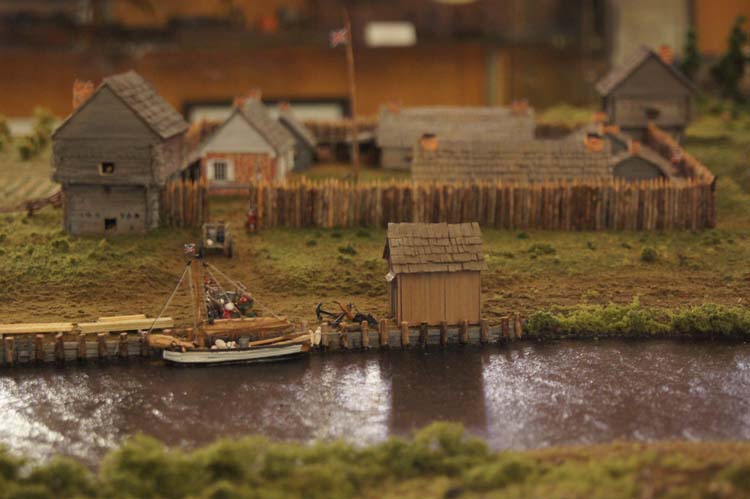
While no physical remnants of Fort Sinclair remain, its legacy lives on through the city of St. Clair and the efforts of local museums and historical societies. The St. Clair Historical Museum provides valuable information about the history of the fort, including a scale model and a collection of artifacts. Other institutions, such as the St. Clair County Genealogy and History Society, also play a crucial role in preserving the history of the region.
Fort Sinclair stands as a testament to the enduring impact of a small military outpost on the development of a community. Its story is a reminder of the importance of understanding local history and preserving the legacies of those who came before us.
About The Author